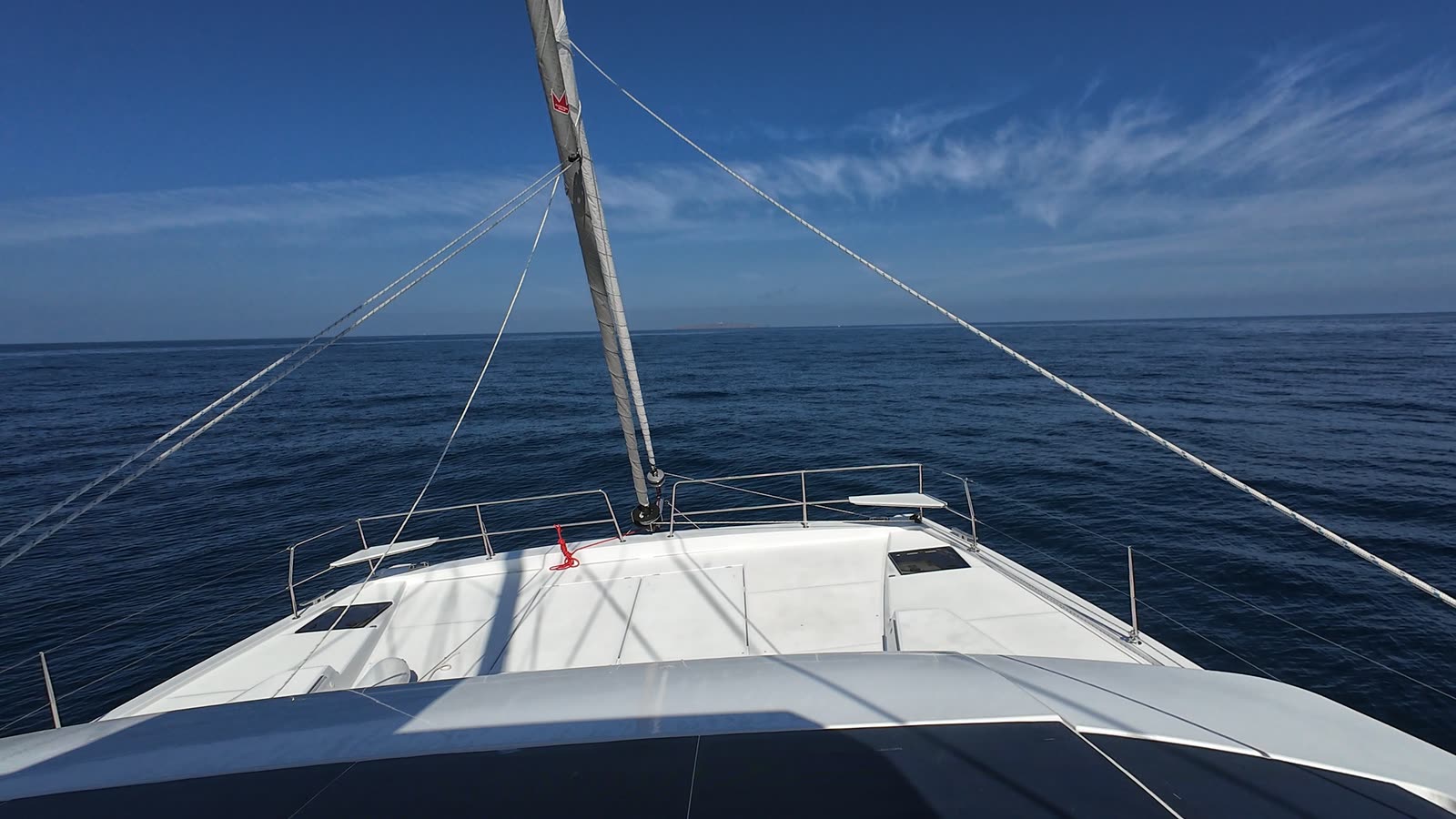
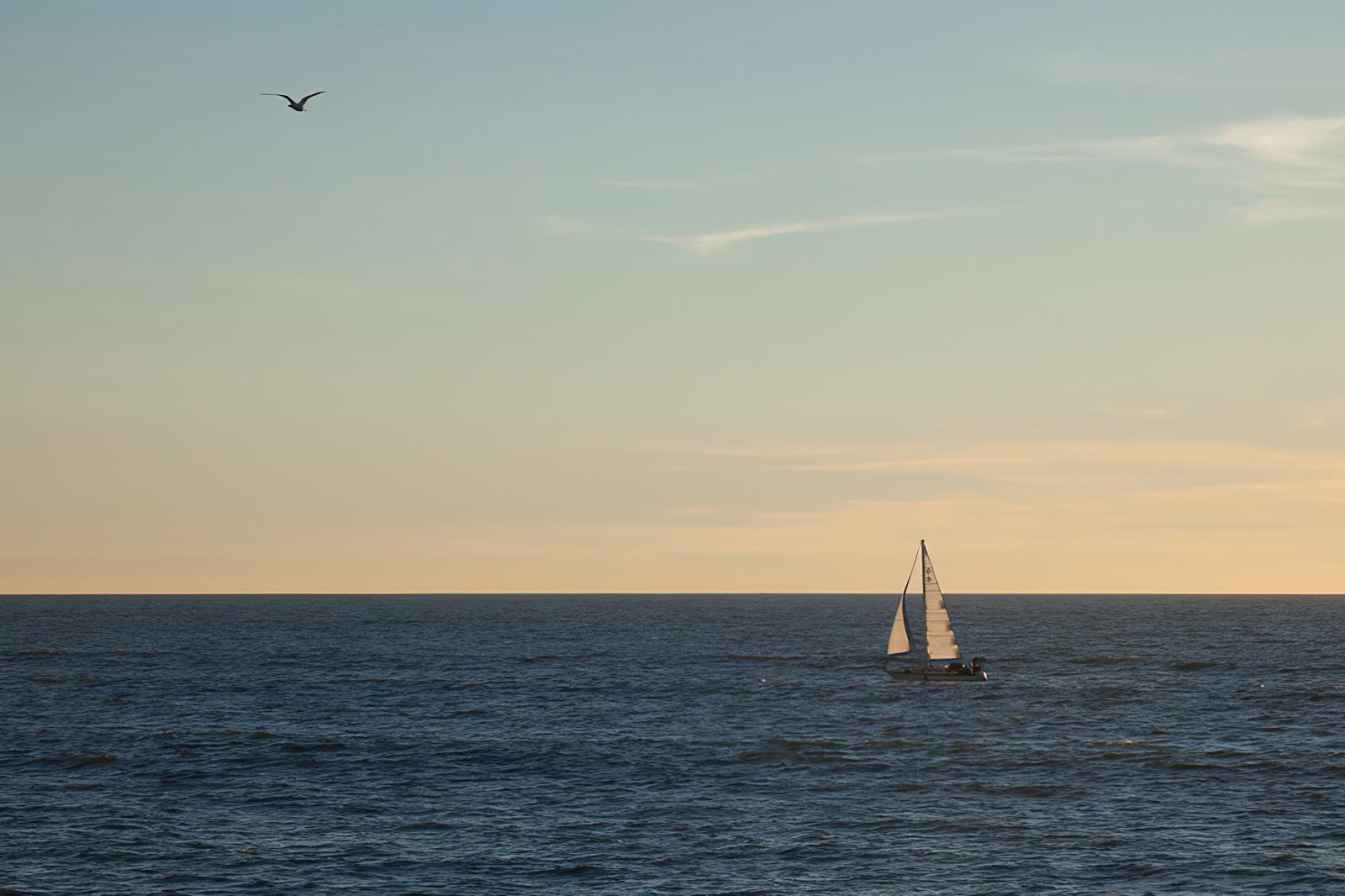
Ninety days aboard a Bali 5.2
This summer we took our ideas to sea for 90 days. Every one of them was a day of testing and data collection, for all three apps. Here's what each one learned.
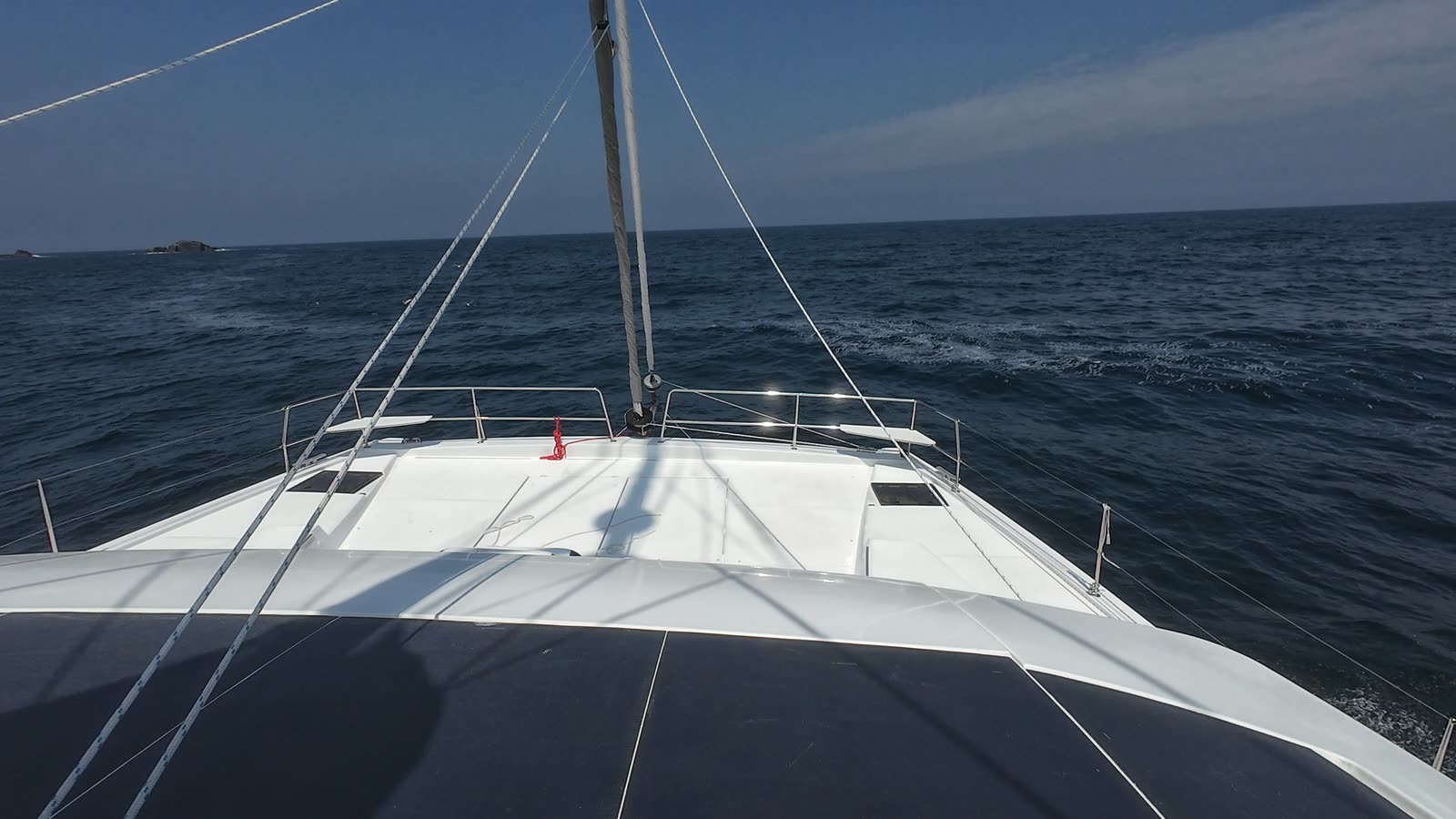
In summer 2026, the Bali 5.2 catamaran we use as our test platform left La Rochelle brand new. She crossed the Bay of Biscay, worked along the north coast of Spain, down Galicia and Portugal, round the Algarve and through the Strait of Gibraltar, then on through the Balearics and Catalonia to Port Leucate, where she came out of the water for her first service with the builder's team.
That made 90 days of testing and data collection, more than 40 ports and anchorages, and four flags: France, Spain, Portugal and Gibraltar. Along the way she sailed at dawn and in the afternoon glare, in fog and in thunderstorms, along coasts thick with fishing gear and into anchorages we'd never seen. Here is what stood out, app by app.
Ahead: the water ahead
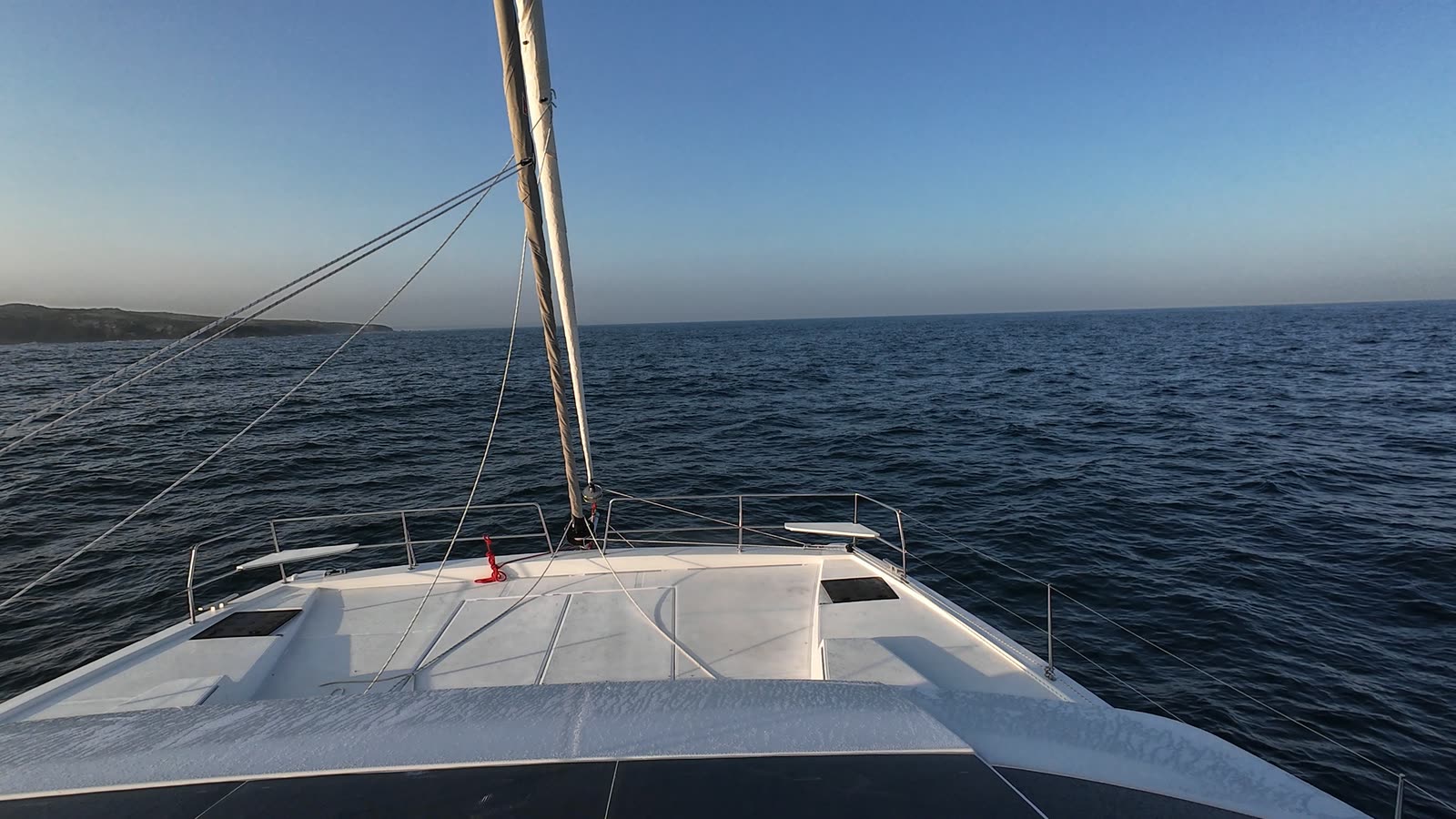
Glare is the real enemy. In the long afternoon legs, low sun turns the sea into a sheet of light. Floats and lines that are obvious at noon disappear. Any lookout, human or digital, has to be honest about that. It's why Ahead tells you plainly when conditions limit what it can see, instead of going quietly blind.
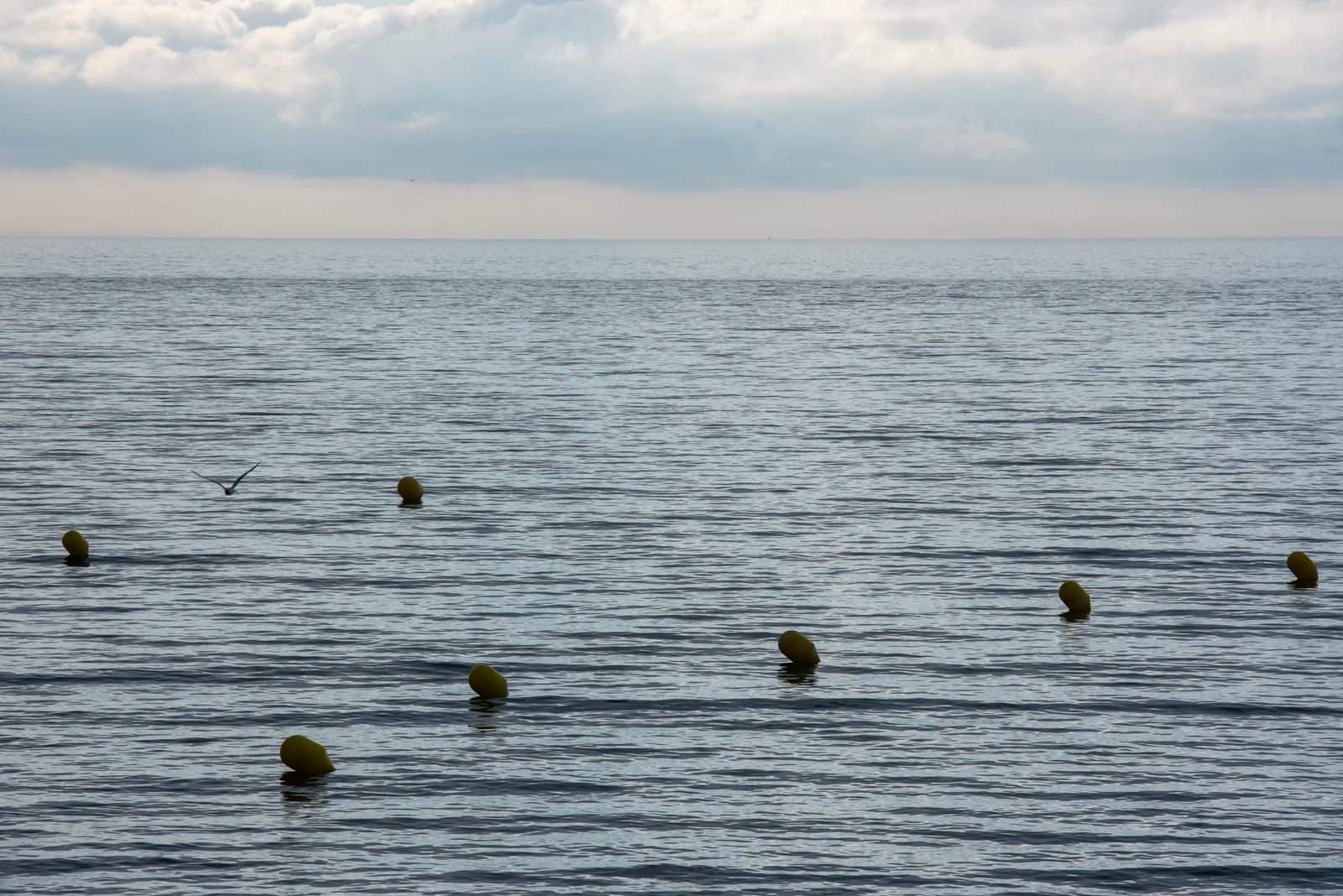
Fog and nets come together. On 29 July we left Ayamonte in fog, with no wind and no swell, and the log for that morning reads simply "a lot of fishing nets." The fog didn't lift until eleven. That's the morning Ahead is for.
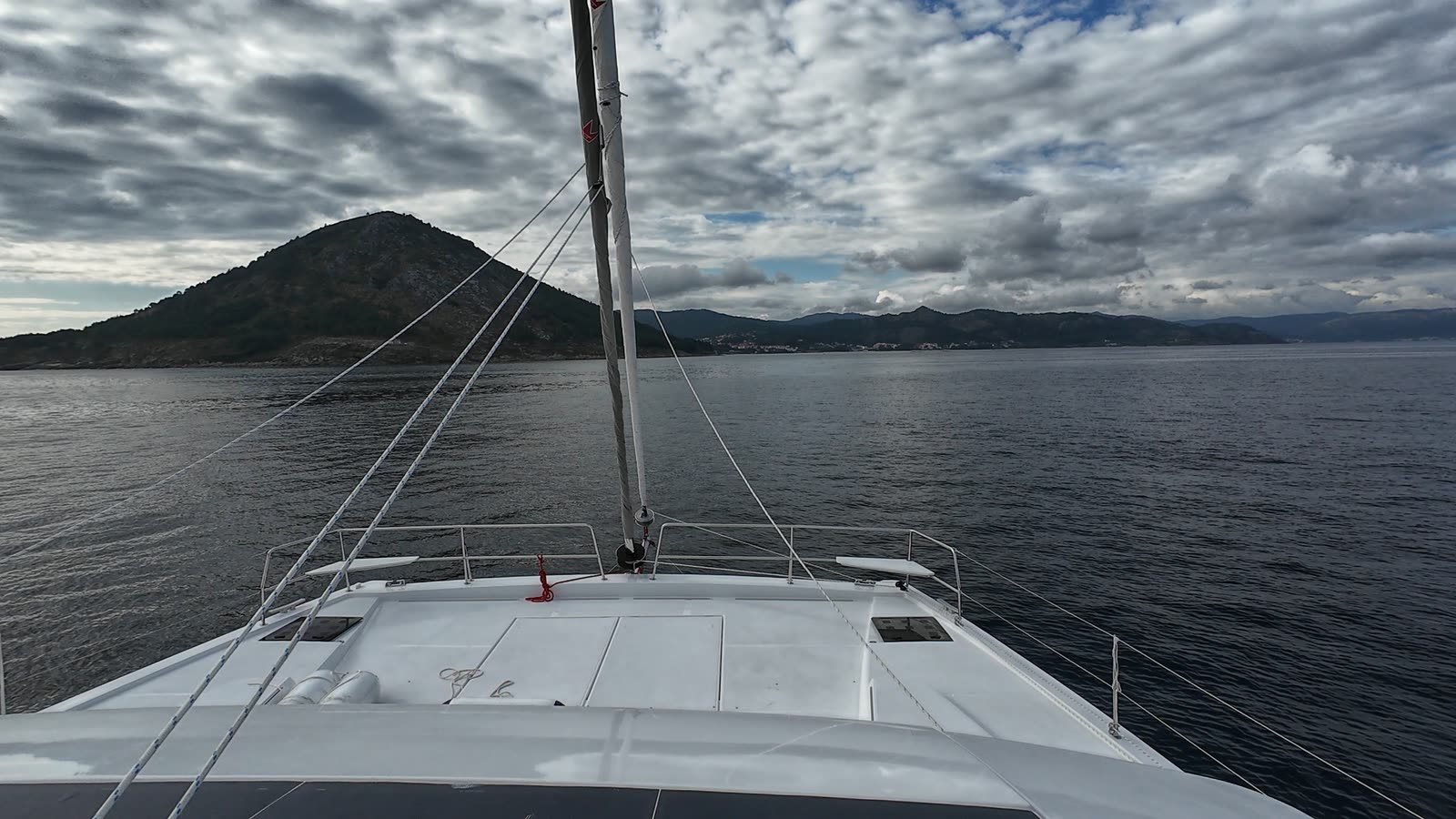
One hazard pushes you into another. From Lisbon to the Strait we kept close to the coast, the usual advice for avoiding the orcas that have been striking rudders there. But close inshore is exactly where the pots and nets are. Some days we stayed inside the 20-metre line only "if the nets allow."
Alarms have to be loud, and rare. With two or three people aboard, someone is always below: cooking, sleeping, fixing something. An alert that only shows on a screen is an alert nobody sees, and an alarm that cries wolf gets muted within an hour. So we design every alert around one question: would a tired crew act on it? Watching the water pays off in other ways too. On the way to Gijón we picked up a distress signal from a group of divers, and all six were brought to safety.
Ashore: forty ports and anchorages
Local knowledge goes stale fast. Again and again, the anchorage notes we'd gathered were years old, the marina prices had changed, and the rules had moved on. Information is only useful if you know where it came from and when it was checked. That became a hard requirement for Ashore: a source and a date on every rule and fee.
Rules are local, not just national. In one port, the entry formalities we needed couldn't be done, either at the port or at the club marina next door. We anchored off for the night and cleared in at the next major port along the coast. The right answer depended on that port, that week, and our boat's paperwork.
The best notes are first-hand. The liveliest lines in our log aren't numbers. Nazaré was "an excellent port, nice inexpensive marina." Ensenada de Barra was "a beautiful anchorage." Barbate's restaurants had "the best bluefin tuna in the world." Ashore has to carry that kind of first-hand knowledge alongside the facts, and say who checked it and when.
Weather decides the stop. We sat out thunderstorm warnings in Cartagena and Mallorca, and chose an anchorage under Cabo de Gata for the night rather than press on in the dark. Where you stop tonight depends on what the next day will bring.
Aboard: a new boat's first season
The boat is a system of systems. A modern cruising catamaran carries two engines, a lithium house bank, a watermaker, a windlass, a hydraulic platform, an autopilot, chartplotters, radios and more, each with its own manual, warranty and service interval. Every morning we checked and logged them by hand: battery, engine hours, bilges, fuel, coolant, engine oil, gearbox oil and fresh water, on both sides of the boat. By September that paper log held the boat's whole story. But it couldn't remind us of anything, add anything up, or hand a clean record to the yard. That's the logbook Aboard is becoming.
A new boat needs running in. Her engines had about nine hours on them when we left La Rochelle and about 275 by the end of the season. We ran them through a careful running-in routine for the first fifty hours, changed the oil and filters in Santander, and worked out each engine's fuel burn by hand at every fuel stop. Every service, top-up and check went into the log.
The hard part is the part. On a long cruise, the chandlery that stocks exactly what you need is often a sea crossing away. When something needs replacing far from home, the repair is rarely the hard part. Getting the right part to where you'll be is. That's the problem Aboard exists to solve.
Back to the people who built her. At the end of the season we brought her to Port Leucate, where Catana's after-sales team hauled her out for her first big service and her winter lay-up. For a new Bali, the builder's own yard is the natural place for that: the people who designed and built her, the right parts and the know-how, all in one place. Planning a boat's season around the right yard at the right time is part of cruising, and it's a decision Aboard should help you make weeks ahead.
What comes next
Over the winter we're working through everything we gathered and turning it into the apps our founding crews will sail with in summer 2027, in Atlantic Spain and Portugal. We're looking for a small number of cruising boats, monohulls and catamarans, to sail with us and tell us honestly what works.
Apply for early access if that sounds like you.