What 250 sailors told us
Before writing more code, we went looking for what cruisers actually say when something goes wrong. Here's what we heard, and what it changed.
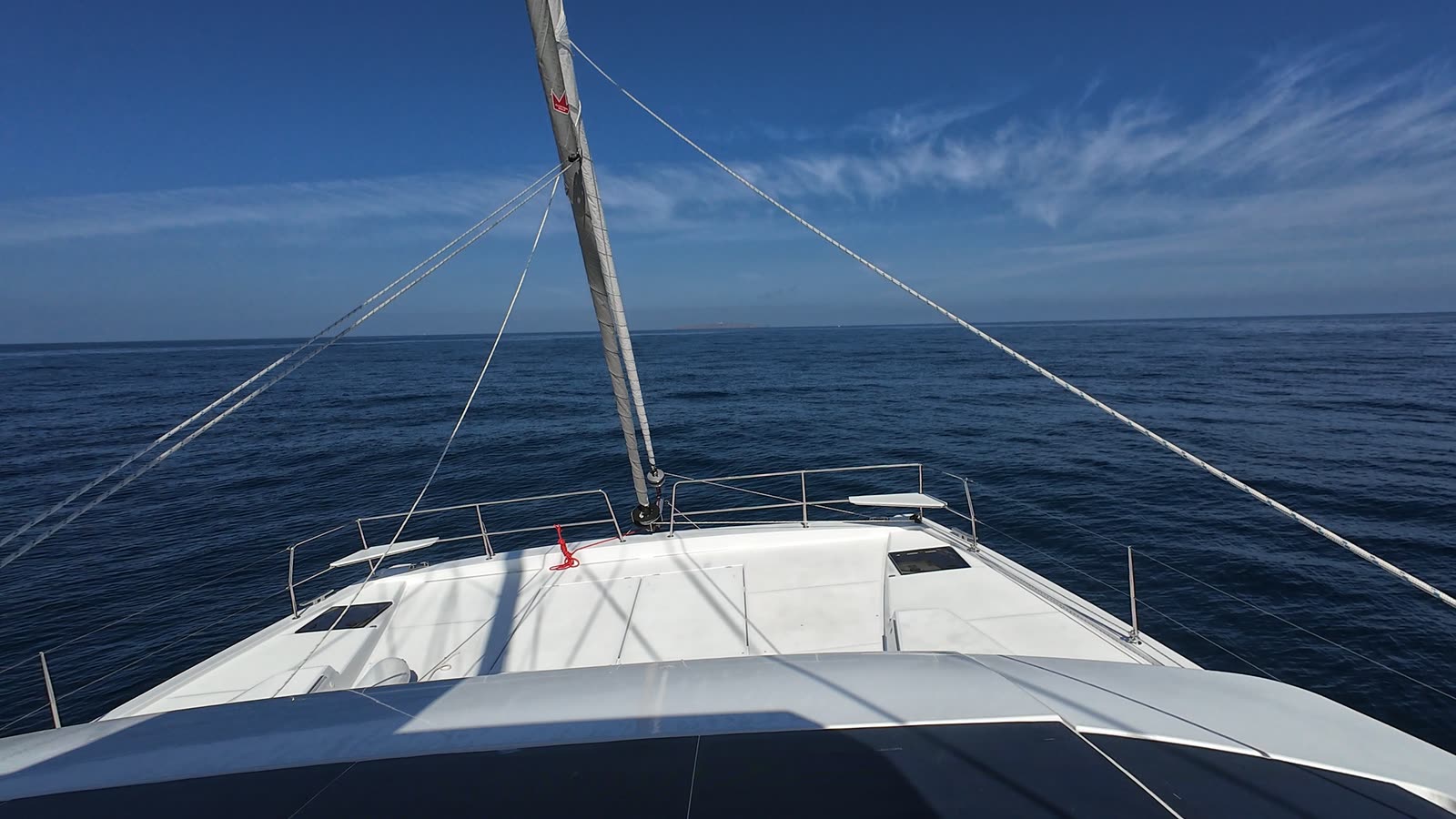
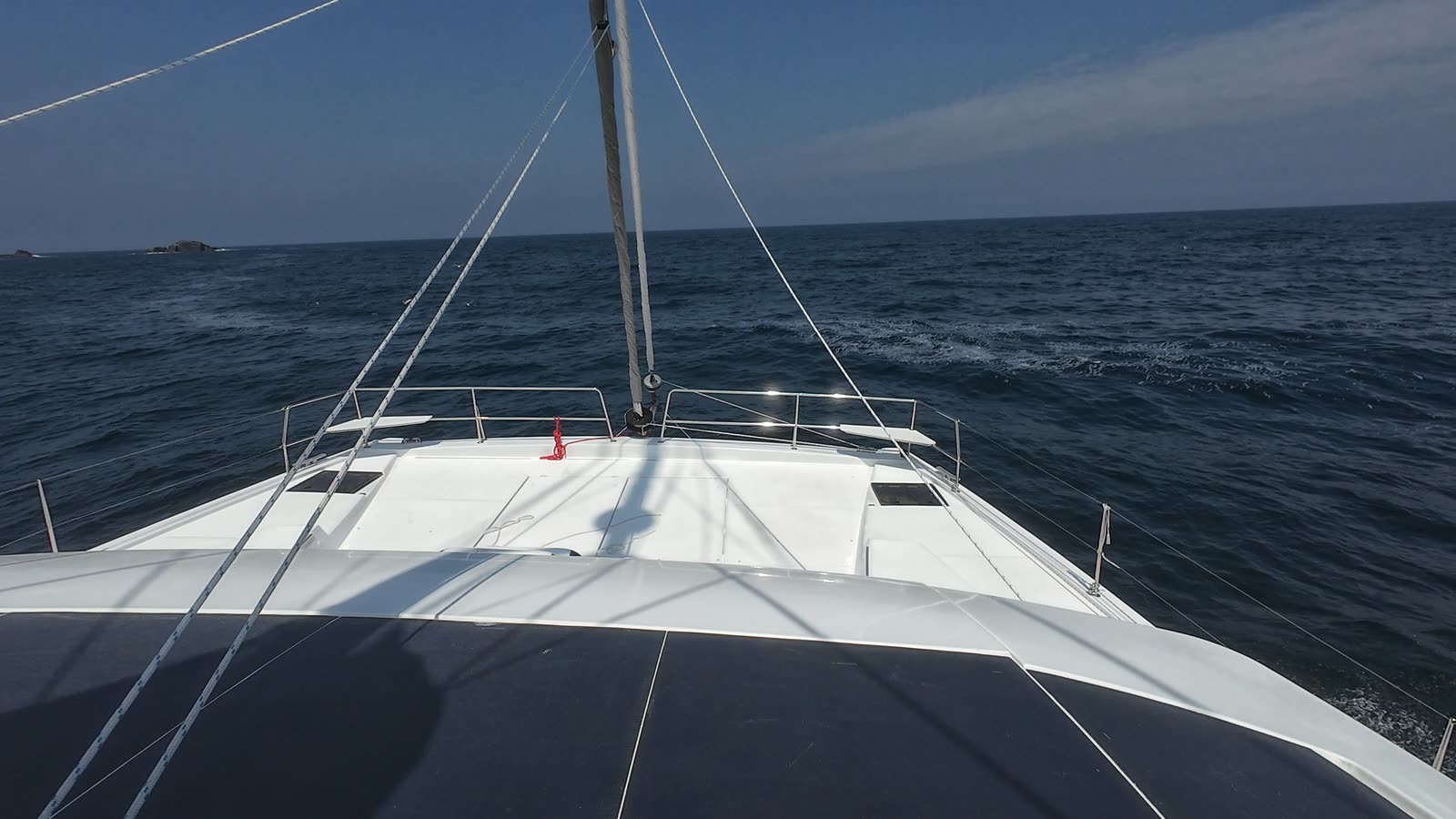
This autumn, with our test catamaran out of the water for the winter, we spent a few weeks reading. Forum threads, cruising blogs, magazine reports, reviews of the apps sailors already use, and the official notices that decide where you can drop an anchor. About 250 sources in all, most of them first-hand, from the Bay of Biscay to the Balearics.
We weren't looking for praise. We were looking for the moments when a crew was tired, stuck, fined or frightened, and for what they wished they'd had. Three things stood out for each of our apps.
On the water ahead
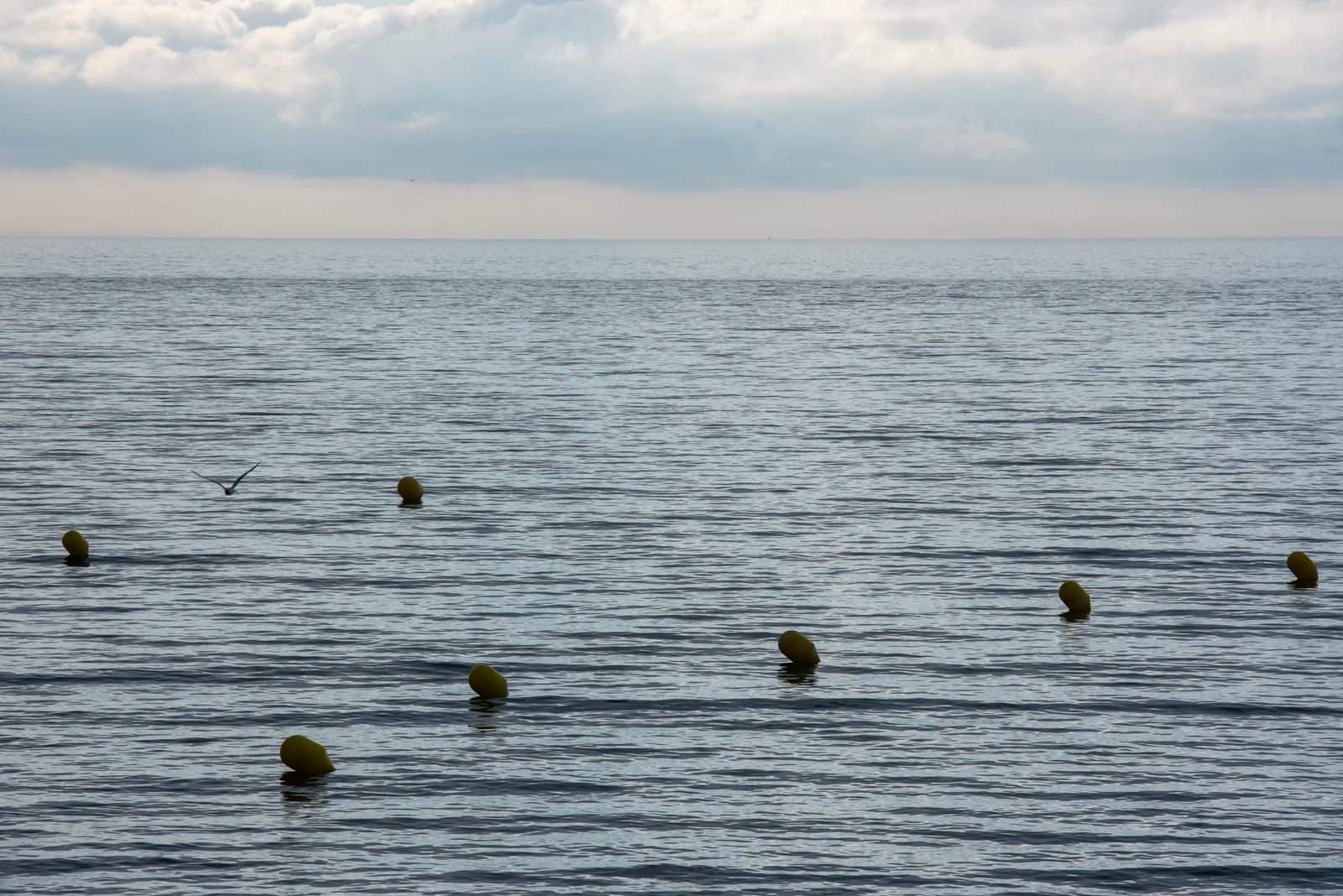
- The float that matters is the one you don't see. Flagged markers are manageable. The trouble is the dark can, the small white float, the weedy one with no flag, or the one the tide has pulled half under, even in bright sun with several people watching.
- Watch aids get switched off when they cry wolf. Again and again, sailors described turning off alarms that fired for distant or harmless targets. An alarm nobody trusts is worse than none.
- The orca advice pushes boats into the pots. Off Spain and Portugal, crews keep close inshore by day to avoid orcas, which is exactly where the fishing gear is thickest.
What changed: in Ahead, we now count every false alarm in the pilot as a fault to fix, the app is blunt about when glare or haze limits what it can see, and if a line does catch, a calm checklist walks the crew through the first minutes. More about Ahead.
In the next anchorage
- "Can we legally anchor here tonight?" was the question asked most often. Seagrass rules, new paid buoy fields, island-park permits by date and bathing zones change from bay to bay, and sailors' own accounts of the fines rarely agree.
- Getting a yes is half the work. Calls unanswered on the radio, emails that vanish, berths that fill by phone, and staff who speak only the local language.
- Wide boats pay more, and sometimes can't get in. Catamaran crews describe paying close to double, and being turned away when quays are full.
What changed: every stop in Ashore now answers the legal question first, with its official source and the date we checked it. It gives you the right number, channel and hours, drafts your request in the local language, and works out what your boat will really pay. More about Ashore.
When something breaks
- Speed beats price. Sailors routinely skip a local dealer quoting two weeks for an online shop in another country that delivers in two days. The question is who can get the part to you, where, and by when.
- Knowing the exact part is the bottleneck. Wrong spares ordered, part numbers looked up by email, and the familiar argument over whether the cheaper filter is really the same.
- Records go missing. The angriest reviews in this category are about apps that changed their terms, locked people out or simply disappeared, taking years of logs with them.
What changed: Aboard shows when each option can be in your hands, right next to the price, keeps the exact part numbers for your equipment and where each spare is stowed, and lets you export your boat's full record whenever you like. More about Aboard.
What we're taking into 2027
Listening doesn't stop here. In summer 2027 a small group of founding crews will sail with all three apps in Atlantic Spain and Portugal, and tell us honestly what works. If you'll be cruising there, we'd like to hear from you. Apply to join the pilot.
How we did this: about 250 public sources read in October 2026, including forum threads, blogs, magazine articles, app-store reviews and official notices. We paraphrase rather than quote, and where we could only see a summary of a page, we gave it less weight.